No. 58: The Soft Labor Questionnaire: Gary Fogelson
Welcome to Soft Labor, the namesake publication of Soft Labor, a strategic consultancy for organizations, designers, and the culture industry led by Sarah Hromack-Chan. Soft Labor is the research arm of the consultancy and a publication about creative labor—what it is, what it looks like, and how it has and will continue to change. Did someone forward you this publication? Subscribe, read our archives, or email us at info@softlabor.biz.
The Soft Labor Questionnaire, is simply that: A brief series of questions we’ve asked comrades in the field to answer about their own working experiences.
Today's respondent is Gary Fogelson. Gary is a partner at Other Means, a graphic design studio in Brooklyn, New York. He has led visual identity and interactive projects for the Brooklyn Museum, Matthew Marks Gallery, MoMA PS1, and The Shed, and designed exhibitions for the Ford Foundation and The New York Times. His book design work has been awarded prizes from the Swiss Federal Office of Culture, the American Institute of Graphic Arts, and the Tokyo Type Director’s Club. He co-founded Typography Summer School New York, a post-graduate design program of typographic research and application led by Other Means. In 2025, the studio launched OM Books, a publishing imprint that explores the visual language of the city.
Tell us about the first job you ever did for money.
There was a strip mall in my suburban NJ town that was the economic center of my teenage years. First I worked at ShopRite, bagging groceries before getting promoted to stocking bread. Then I worked at a pet food store with a surprising lack of management, where I turned the stock room into a photo studio for my fake ID business.
Is your current work related to what you studied in school? If so, how? Or, how not?
It is. I went to Pratt for Communication Design in the early 2000s, which is their combo program for illustration and graphic design. It was the tail end of '90s grunge, and the start of the internet really becoming a place where designers were sharing their work with each other (e.g. photos holding up posters). Pratt was kind of lawless back then. I got a job at the print lab, and me and my friends were able to use the facilities after hours to make zines and other projects with each other. It was a big influence that led to me wanting to start a studio. Other Means is still basically a small group of people in a room making things with each other.
What cultural touchpoint—music, art, literature, etc.—has informed your practice the most? How?
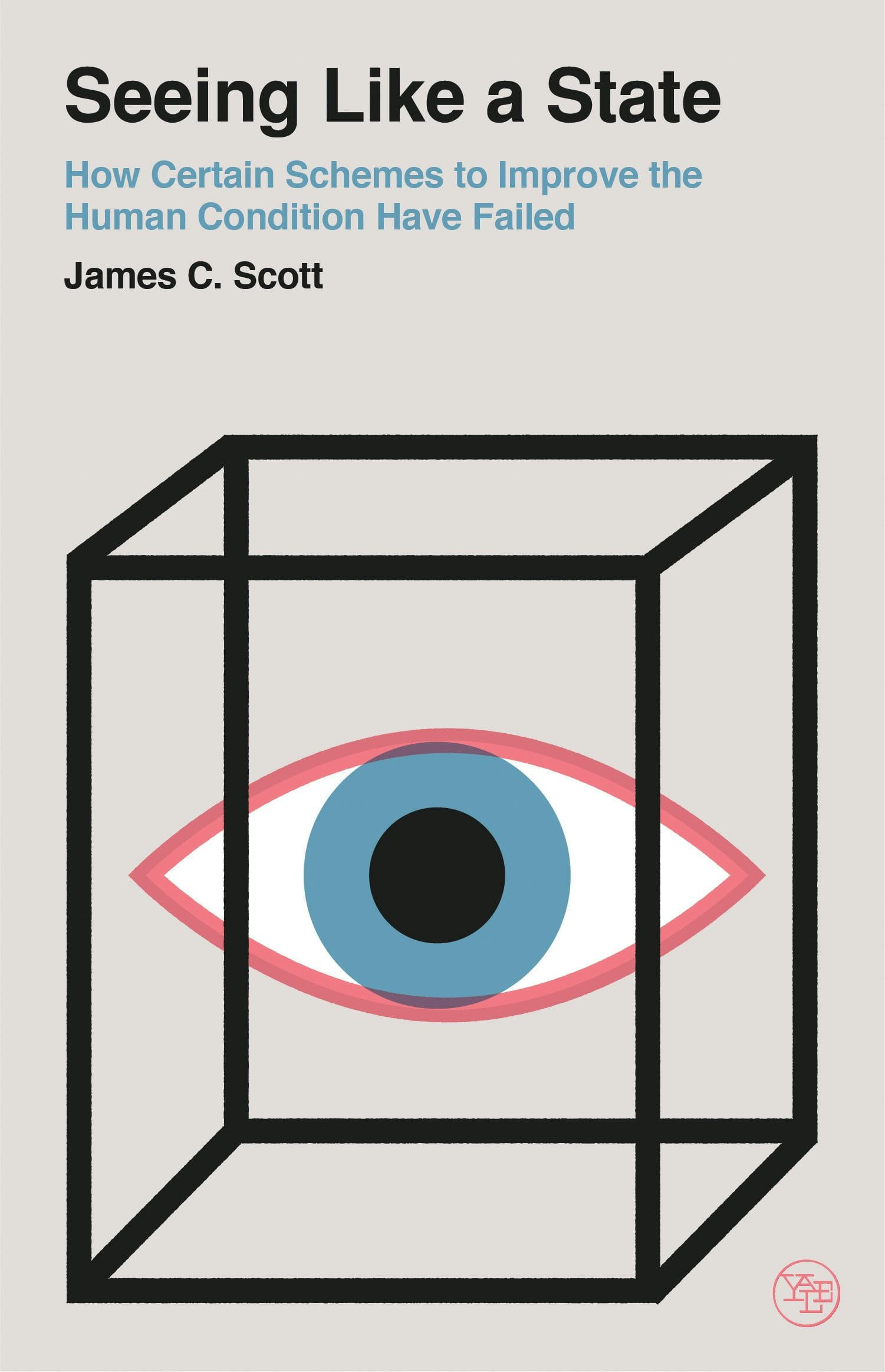
I've been recommending James Scott's Seeing Like a State to any designer that hasn't read it. It's a collection of stories, or case studies, that reveal the failures of various state-sponsored attempts at imposing order in the name of legibility, transparency, and standards. It's essentially a critique of the idea that design can organize the world through systems, and offers a glimpse of what emerges from the cracks and margins of these attempts at control. We're tasked with making systems all the time in the studio, but we're also constantly looking for ways to break and expand the rules we set for ourselves.
Has AI impacted your work? How?
When you first sent me this a year or so ago I would’ve said no to this question, but lately I’ve been thinking about how so much of graphic design before the computer—and typography in particular—was about specification and language: giving instructions for typesetters and printers to interpret. I’m drawn to the honesty of design from that era, which I think, in some ways, is a result of the constraints that process this put on the designer. I've been exploring ways of using AI to develop tools and scripts that support different processes in the studio, and thinking more about how design has always been about prompts and working through language to get to some desired form.
What advice would you give to someone starting a career in your industry?
Graphic design isn't an end unto itself, and it's not an identity. It's necessary to find the thing(s) you like thinking about that's not design. If you're lucky you'll get to work on projects related to those things. If not, those interests will still inform your work and give you areas to explore outside of a job.
What are you obsessed with that has little-to-nothing to do with "work"?
Riding bikes.