No. 57: Artificial Intimacies
Welcome to Soft Labor, the namesake publication of Soft Labor, a strategic consultancy for organizations, designers, and the culture industry led by Sarah Hromack-Chan. Soft Labor is the research arm of the consultancy and a publication about creative labor—what it is, what it looks like, and how it has and will continue to change. Did someone forward you this publication? Subscribe, read our archives, or email us at info@softlabor.biz.
The blue wave crashed right over our Fall season, thankfully. We've been advising and teaching a graduate thesis seminar in the Art Market Studies program at FIT while working with New Information and others soon to-be-announced. Our writing for Outland—all the stuff we sent around last Spring and Summer—has been published in the newsletter's first print issue. (The organization, now a year-old, full-fledged 501(c)(3) non-profit, even has a new identity designed by Asad Pervaiz and Carolina Stierli de Abreu.)
New projects and happenings are in the Soft Labor pipeline but meanwhile, we've been reading, same as ever, and even watching a bit now that night falls so swiftly.
Search Results
“Search Results” points toward Soft Labor’s research and reading interests. Follow Soft Labor’s ever-evolving and highly visual research channel on are.na, including links to our selected writings.
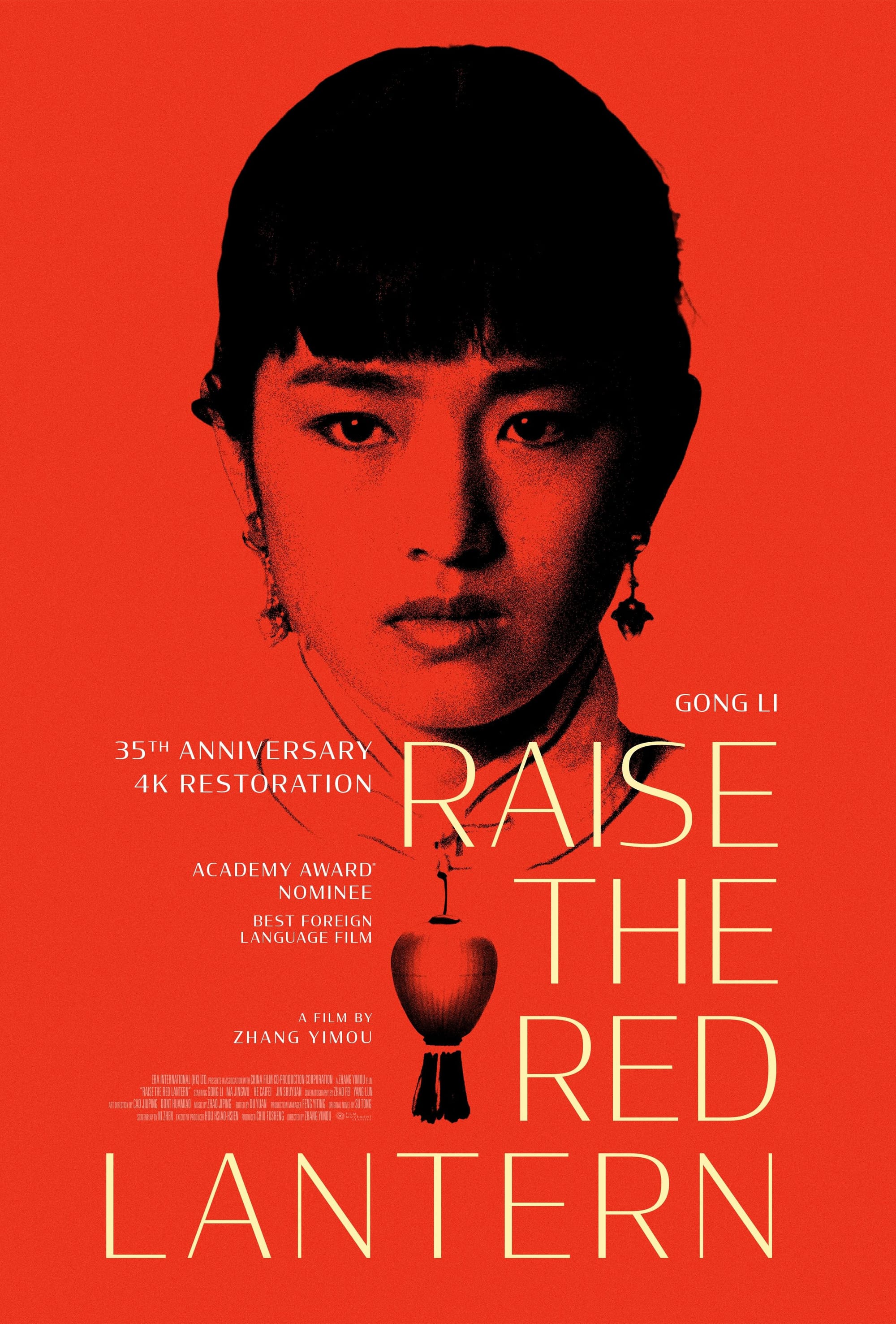
🔗 We always envisioned a moment in our lives when we'd become, once and for all, true film watchers. Perhaps we're almost there as we hit two of our favorite NYC big screens in the span of this past week: Film Forum is currently showing the 4K restoration of Hong Kong filmmaker Zhang Yimou's 1991 Raise the Red Lantern to celebrate the film's 35th anniversary, while South Korean director Lee Chang-dong's Possible Love is still playing at Lincoln Center for a few more days. Both are visually stunning and devastatingly biting social commentaries that left heavy impressions on us.
Otherwise, we're back on our AI bullshit.
🔗 We've had MIT sociologist Sherry Turkle's Artificial Intimacy: Who We Become When We Talk to Machines on preorder for months, naturally, and are thrilled with it so far (we're not quite done yet). Turkle, a titan in her field and a thinker we've featured on our syllabi for well over a decade, has gained broader public notoriety in more recent years for her writing on the social impact of technology. (See Reclaiming Conversation and Alone Together, for examples.) Artificial Intimacy is making us think about a much earlier, stranger work of hers: The Inner History of Devices. Using the lenses of ethnography and psychology, this little book examines peoples' complicated, intimate relationships with their devices. It was published in 2008—just as the iPhone began its ascent toward cultural ubiquity—and in many ways it predicted the collective predicament we find ourselves in.
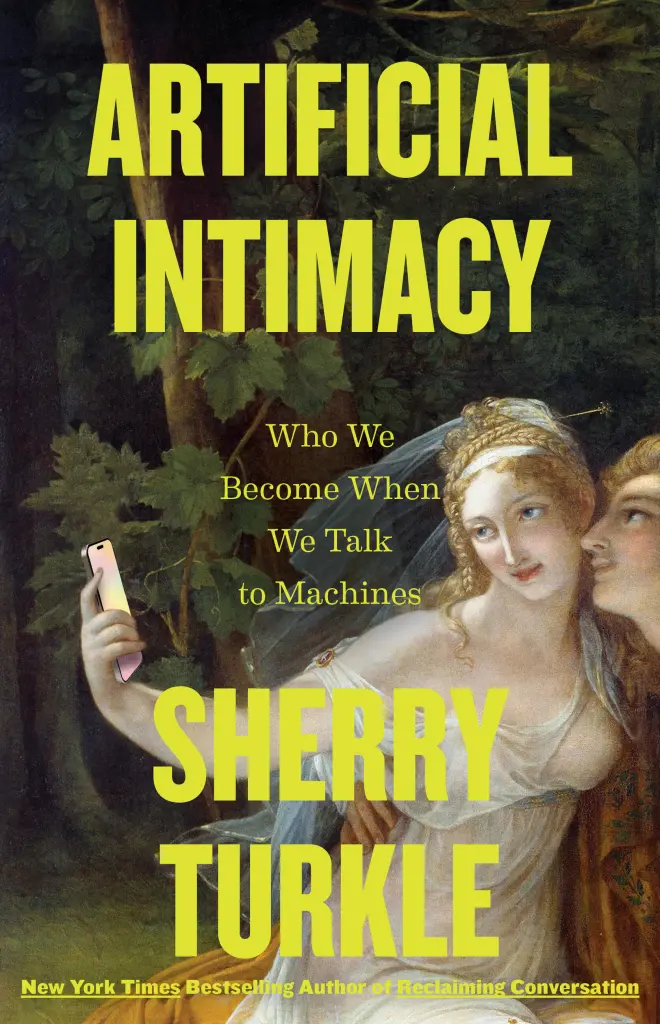
🔗 The New York Review of Books is on it, with James Gleick's double review of Artificial Intimacy and another new book we'll read eventually, Inventing ELIZA: How the First Chatbot Shaped the Future of AI.
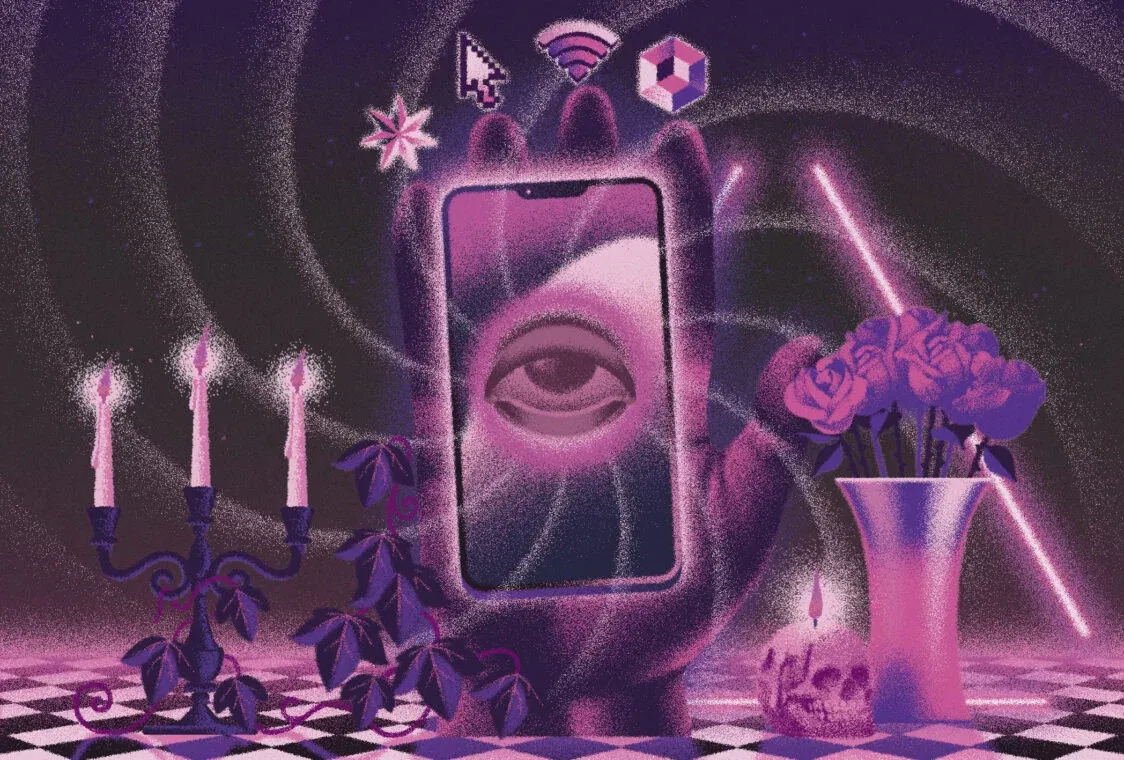
🔗 Read Sam Kestenbaum's gorgeously-conjured "Communion of Saints: The dawn of an LLM New Age" in Harper's and think hard about just how you interact with ChatGPT or Claude or Gemini—how easy it is to slip into a conversational tone, and what could come of that.
🔗 We reviewed New Yorker regular and author Kyle Chayka's Filterworld when it was first published in 2024—we understand that when you write a book, a lot of what you saw and do thereafter tends to resemble that book in some way, shape, or form. The latest issue of Chayka's side hustle, the always-excellent One Thing newsletter, features a brief essay of his on the concept of "taste" in the AI era. It's good!
🔗 AI related/unrelated, but we appreciated Jay Miller's "In Praise of the Dilettante" in Aeon. We're generally suspicious of hyper-optimization.
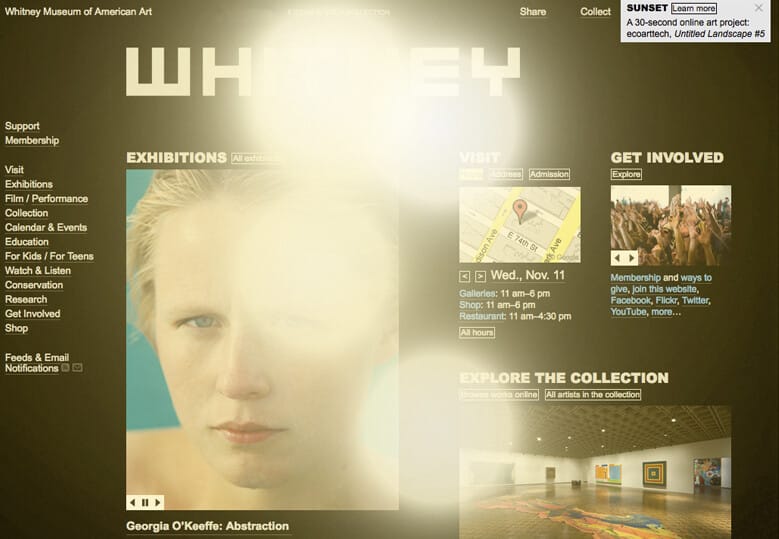
🔗 We worked at the Whitney a small lifetime ago as the museum's founding director of digital media and are therefore feeling a bit nostalgic about artport: A History of Internet Art, an IRL show that opens on November 21st. We're thrilled to see longtime Whitney curator Christiane Paul get her flowers for a web-based project that has truly withstood the test of time. (The exhibition celebrates artport's 25-year lifespan!)