No. 50: The Soft Labor Questionnaire: Tony Wang
Welcome to Soft Labor, the namesake publication of Soft Labor, a strategic consultancy for organizations, designers, and the culture industry led by Sarah Hromack-Chan. Soft Labor is a publication about creative labor—what it is, what it looks like, and how it has and will continue to change. Did someone forward you this publication? Subscribe, read our archives, or email us at info@softlabor.biz.
The Soft Labor Questionnaire, is simply that: A brief series of questions we’ve asked comrades in the field to answer about their own working experiences.
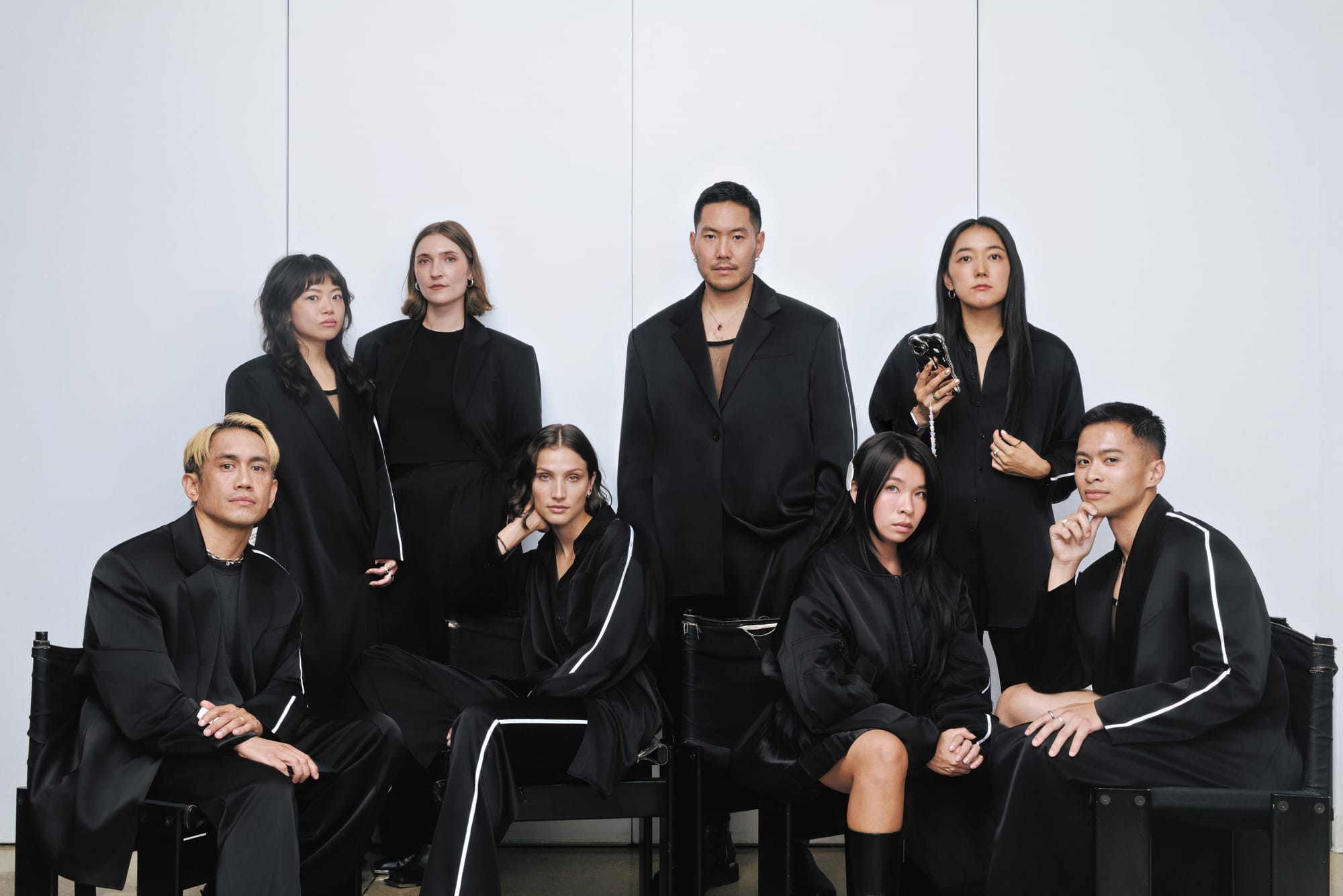
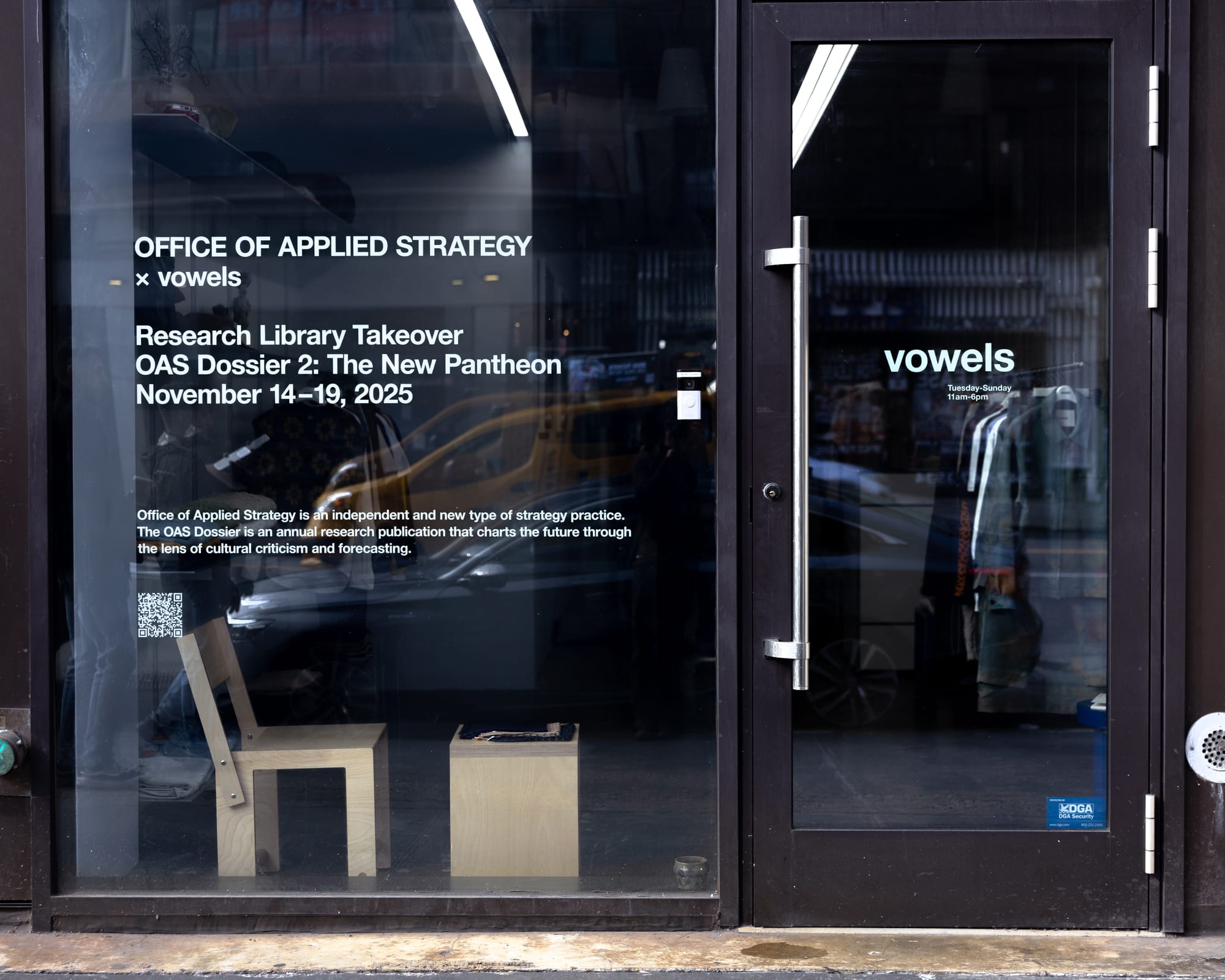
Today's respondent is Tony Wang. Tony is the founder of the Office of Applied Strategy, a new type of strategy practice that operates as a consulting firm, think tank, and venture fund. Previously, he held roles at SSENSE, McKinsey, Google, and IDEO, with over a decade of multinational experience across luxury, technology, and management consulting. He has been featured in the New Yorker, Financial Times, New York Times, Vogue, Art Basel, and Highsnobiety.
Tell us about the first job you ever did for money.
In high school, I got the chance to work with the Capay Valley Farmers on a CSA (Community Supported Agriculture) pilot project with IDEO. Well, to be fair, I wasn’t paid in cash but I did get paid weekly in trade—which in this case was boxes of organic, heirloom varieties of locally-grown fruits and vegetables. I discovered a love of cooking that summer, and I also got to read Michael Pollan’s Omnivore’s Dilemma as part of my required reading for the summer job.
Is your current work related to what you studied in school? If so, how? Or, how not?
Yes and no.
I had initially intended to study philosophy of science at Cal for undergrad, but got a hard parental veto on my original academic pursuits. So instead, I went to Wharton for undergrad. While a business degree seems useful for a strategist, I actually find the core curriculum generally unhelpful in my actual work. Traditional business frameworks are too generic and abstract to be useful for real-world commercial problems.
I also have a master’s in bioethics from Penn. A lot of the core reading for this program pulls from anthropology, media theory, and art history. Studying the conditions that lead to and factors that inform culturally-driven health outcomes in the biosciences provided both a theoretical and applied basis to understand how we form social meaning. This thinking is vital to brand strategy: it answers the question of why we care about the relationship we create with brands beyond the transactional exchange of goods and services.
What cultural touchpoint—music, art, literature, etc.—has informed your practice the most? How?
Oh, easy. I’m such a nerd, so it’s definitely anime and then video games for me. The reason why I originally wanted to study the philosophy of science was because of Mamoru Oshii’s anime film Ghost in The Shell (originally a manga from the 90s). A character in the second film is named after Donna Haraway, and through the anime I discovered The Cyborg Manifesto and became obsessed with studying transhumanist theory in college. Plus, it led to my interest in fashion, too. The Final Fantasy to Comme des Garçons pipeline is real.
What is the most rewarding aspect of working in your industry? The most challenging?
The most rewarding aspect is getting the chance to work through a really nice, meaty question (whether through our own research or for client work). Like developing the cultural framework for a global sports retailer to develop and create an annual brand holiday, or leading go-to-market planning for a French luxury maison’s first new category expansion in nearly half a century, or defining the digital content strategy for a blue-chip art gallery.
The most challenging is when I work with clients that treat strategy as liability management. Clients that just want consultants to play the consulting game as internal corporate politics drain me. I want to work with clients that want to do cool shit!
Has AI impacted your work? How?
I’m generally curious about experimenting with new technologies, and it’s no different with AI. Beyond writing research on AI for our think tank, and investing in AI startups like Doji and Era, we don’t incorporate much AI into our work.
While AI arguably can automate and tackle large swathes of work that a consulting firm might typically offer, the reason why independent consulting firms are hired is often due to relational labor and access to real expertise. In a post-AI world this relationship-building and social dynamic become more important than ever for everyone.
Internally, we leverage AI to help do admin work and initial desk research, but the big picture thinking remains highly human. I prefer discourse-driven collaboration with team members to “debate out” answers. If you can control the points at which AI is leveraged for your practice, focus on using it in ways that liberate you to do more of what you enjoy and derive value from.
What advice would you give to someone starting a career in your industry?
Practice informs context, and context informs form. So treat your career as practice: a professional and personal vehicle for internal and external meaning making. Be clear about what matters to you, so you know what you are should be uncompromising on. Use your practice to create the context that surrounds how you approach your work.
Approach your career trajectory as a garden, dynamic and adaptive, not as architecture, which is more rigid and hierarchical in thinking.
Plant new seeds—whether that’s learning new skills, working on personal projects, or being active in your communities—then give them the time, space, and nutrients needed to nurture them. Be open to new directions and opportunities as the weather and soil conditions change.
What are you obsessed with that has little-to-nothing to do with "work"?
I love beautiful rocks! 🪨