Dress Code: The Uniform
Welcome to Soft Labor, the namesake publication of Soft Labor, a strategic consultancy for organizations, designers, and the culture industry led by Sarah Hromack-Chan. Soft Labor is a publication about creative labor—what it is, what it looks like, and how it has and will continue to change. Did someone forward you this publication? Subscribe, read our archives, or email us at info@softlabor.biz.
Dress Code is a feature that spotlights workplace looks of all forms and kinds that usually runs at the end of each issue. Today, we expand Dress Code into a visual, quick scroll of an essay on sartorial culture in creative work—a longtime interest of ours. Expect to see this one run from time to time.
.
Today's Dress Code focuses on the uniform, a subject close to our hearts—we attended Catholic school as a girl—and that first caught our more, shall we say, academic attention with a single exhibition encountered in Florence, Italy at the turn of the millennium. Produced by the then-new Pitti Immagine Discovery Foundation and organized by Maria Louisa Frisa and Stefano Tonchi with Francesco Bonami, Uniform: Order and Disorder took over the grand hall of the Stazione Leopolda with a massive, masterful selection of fashion and contemporary art. We were astounded.
Does the uniform unite or divide individuals? So was the central question of the show's thesis, and so often is the debate in schools and workplaces when the subject of the uniform arises. Herein are some folks who favored uniform dressing, ostensibly to free up their time for making. We salute them!
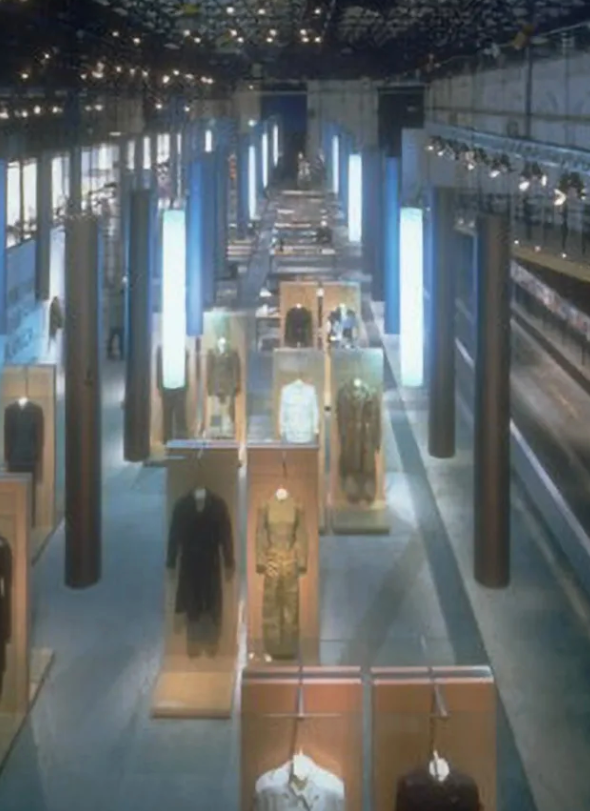
An (very vintage) installation shot of the spectacular Uniform: Order and Disorder at Stazione Leopolda, Florence, Italy, 2001.
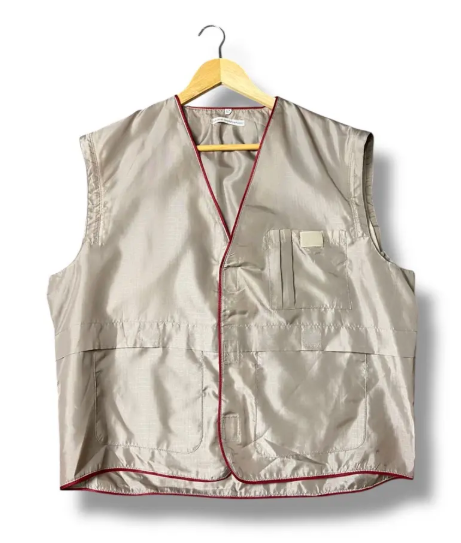
Many visually recall the now-iconic black, mock-neck turtleneck that Japanese designer Issey Miyake designed for Steve Jobs. Some even know the legend behind it: Following a visit to SONY's corporate headquarters, Jobs asked Miyake to design a vest for Apple's workers as a means of uniting the company, and when it was solidly rejected by his staff, he in turn asked Miyake to devise a uniform for himself. This is the rejected vest.
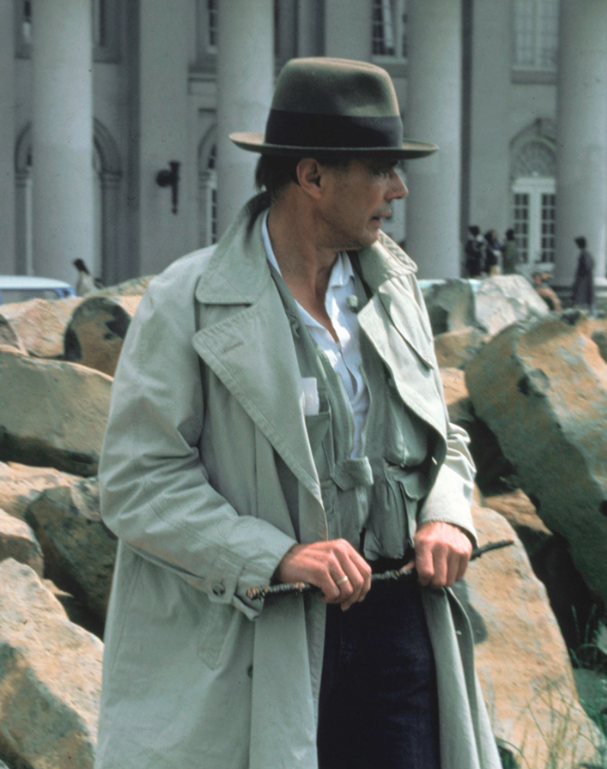
German artist Joseph Beuys adopted a uniform—including a fishing vest and fedora, as seen at Documenta in 1997.
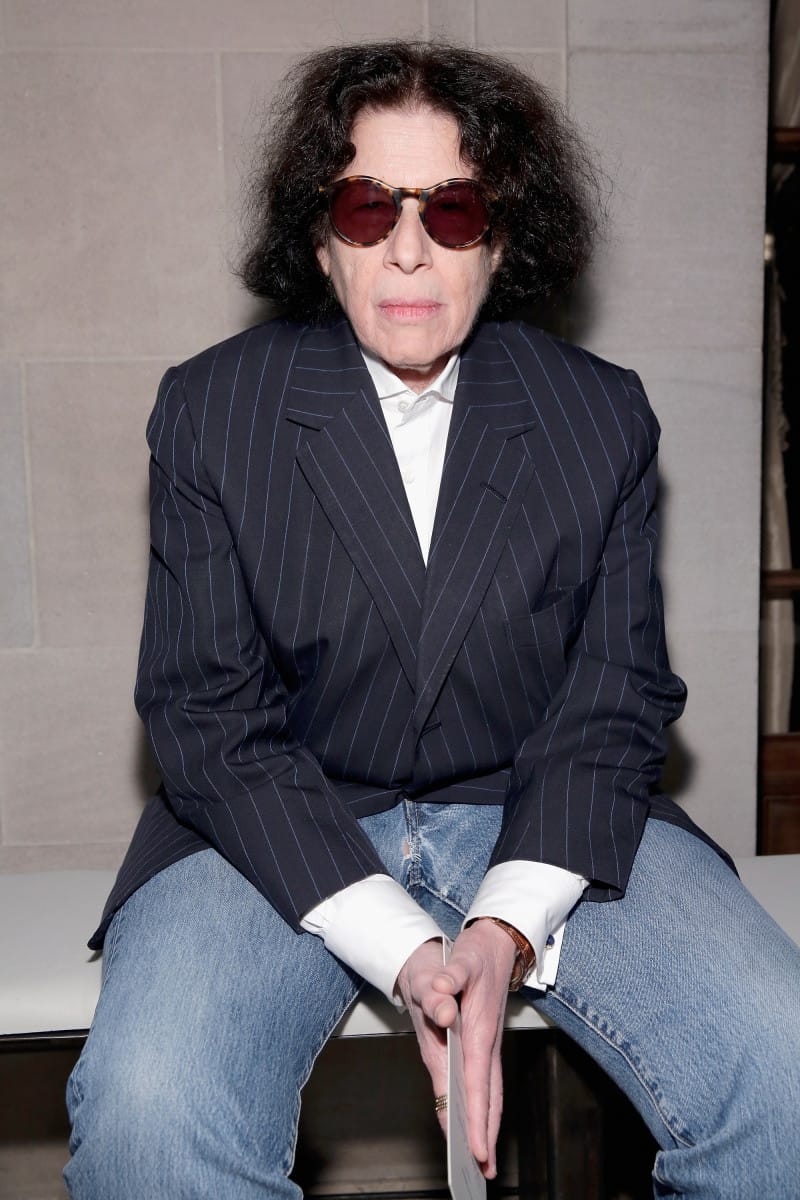
Writer and all-around New York City gadfly Fran Leibowitz's uniform generally consists of a crisp white button-down, a navy blazer, Levi's 501s, boots and tortoise-shell frames, with an overcoat thrown over as needed.
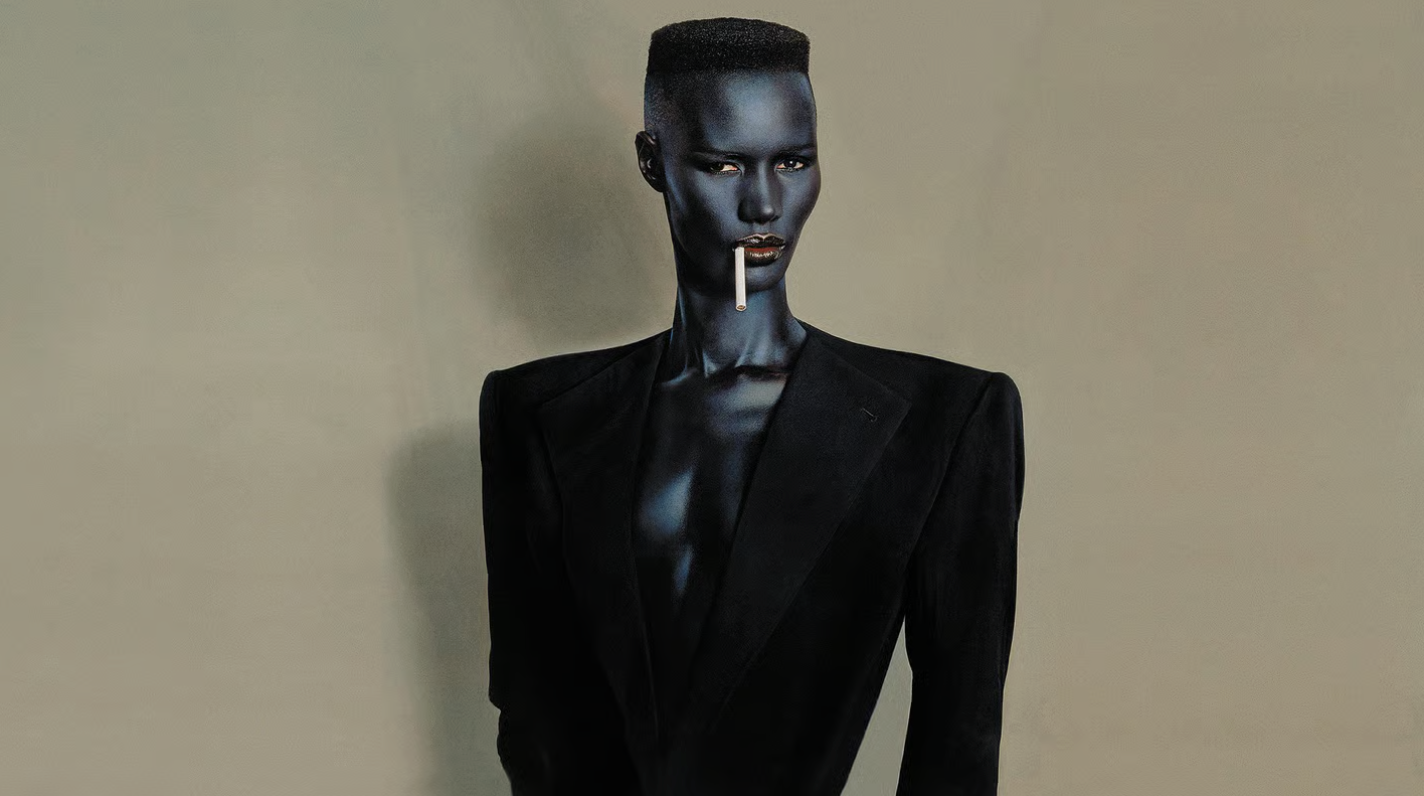
No one wore the 80's Armani power shoulder like Grace Jones.
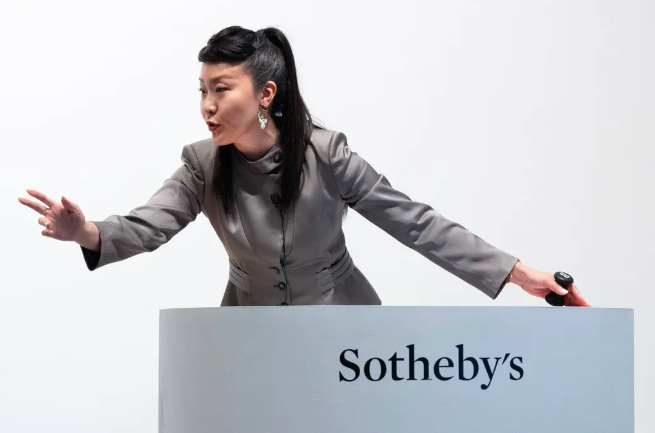
We, like everyone else, are obsessed with the power dressing—also Armani—and perfect vintage hairstyles of Sotheby's auctioneer and art world viral sensation Phyllis Kao. Presence!
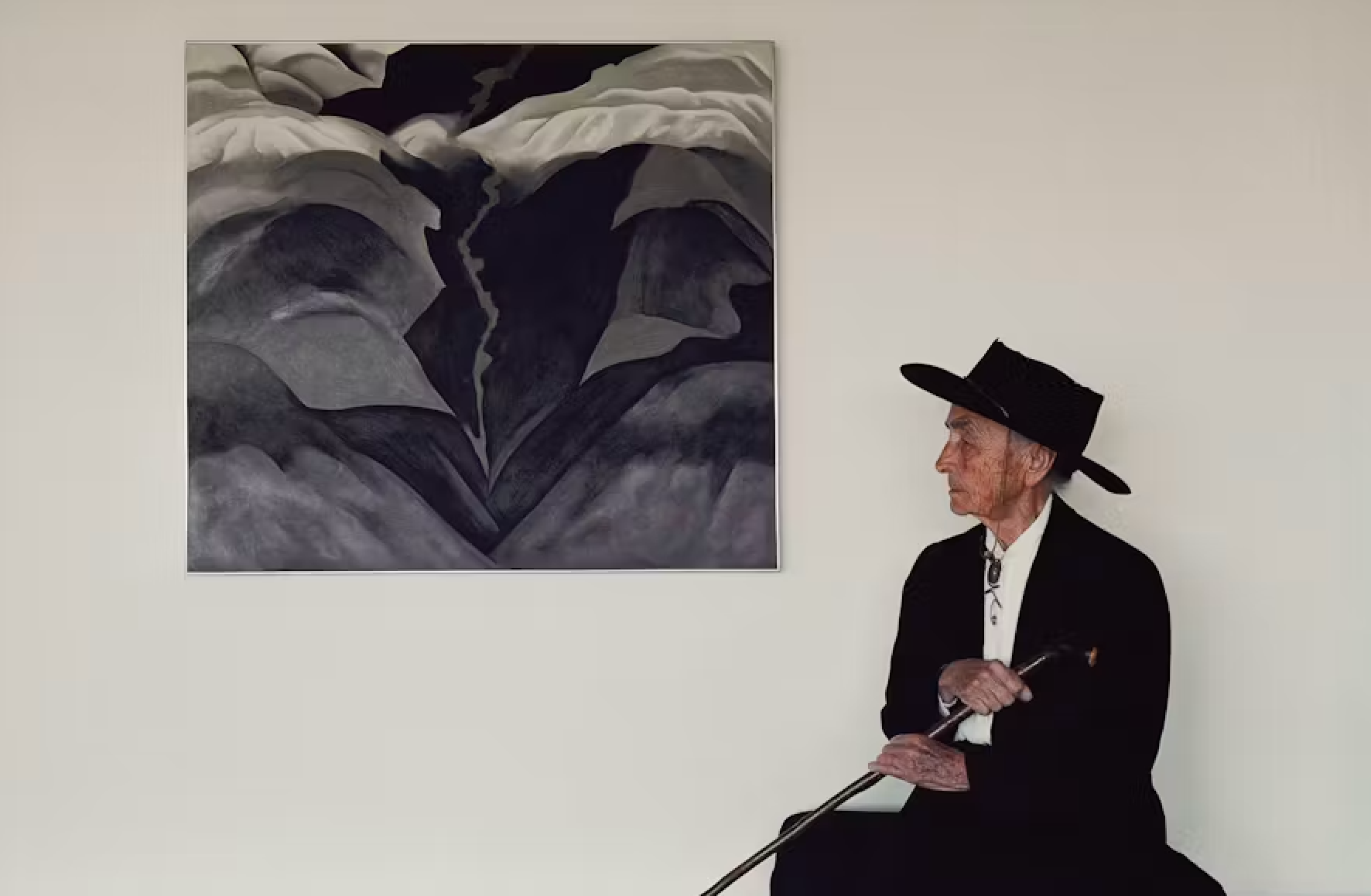
Georgia O'Keefe preferred white silk blouses and mono- or dichromatic dressing.
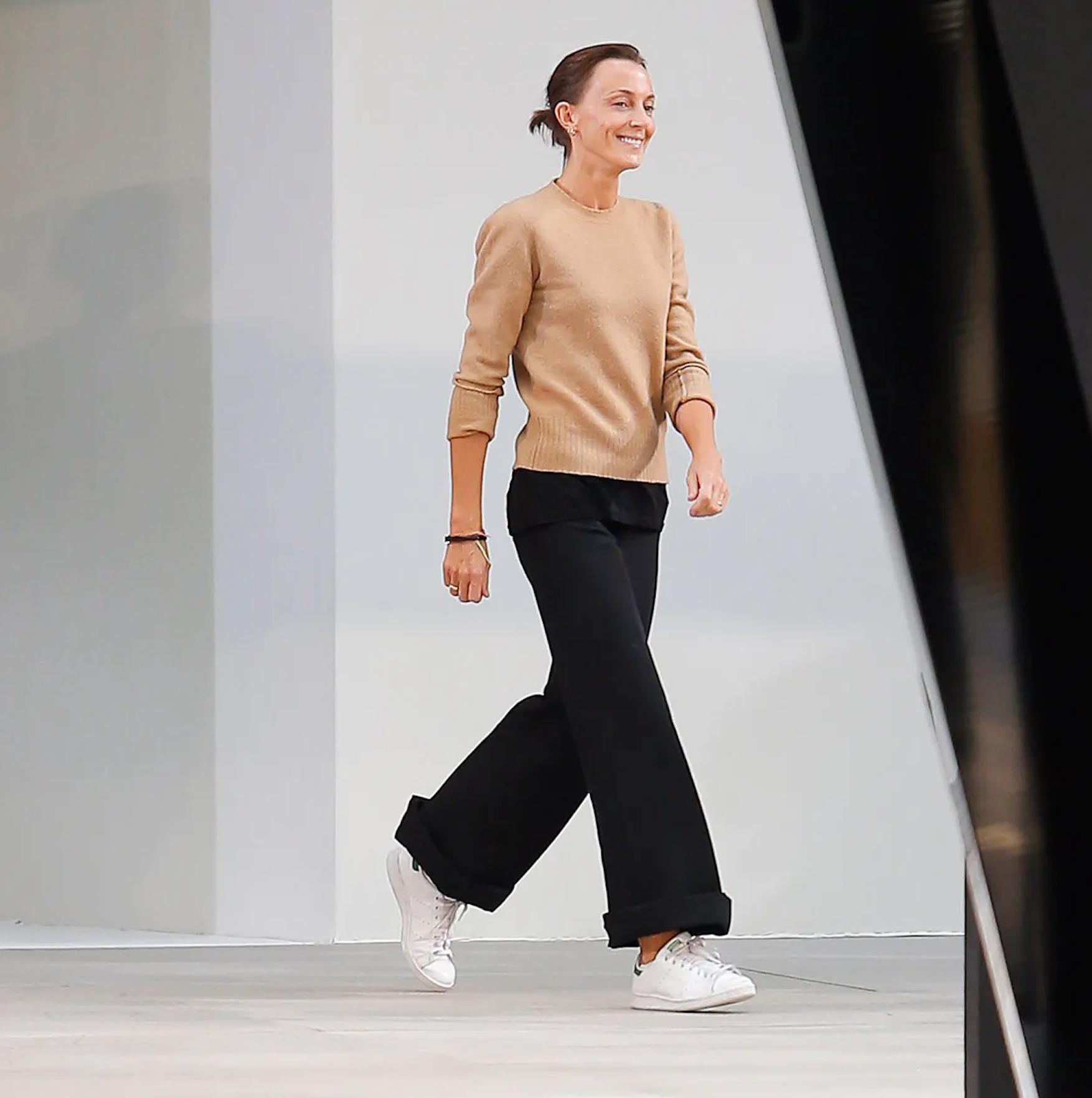
Fashion designer Phoebe Philo is known for wearing a sleek, simple on-runway uniform with white tennis shoes as a staple.
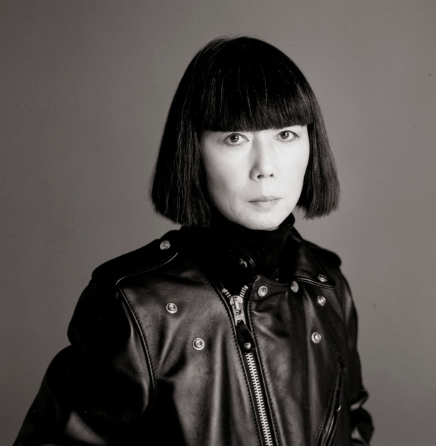
Rei Kawakubo needs no introduction; nor does her leather jacket.
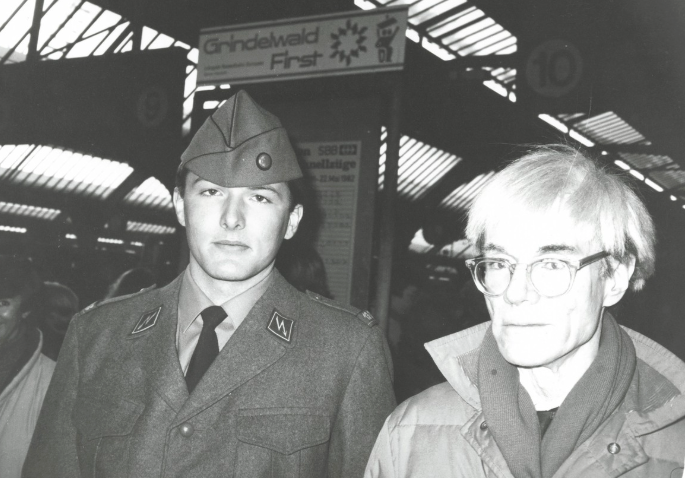
"People in uniform always look so great." — Andy Warhol