The Soft Labor Questionnaire: Raymond Biesinger
Welcome to Soft Labor, the namesake publication of Soft Labor, a strategic consultancy for organizations, designers, and the culture industry led by Sarah Hromack-Chan. Soft Labor is a publication about creative labor—what it is, what it looks like, and how it has and will continue to change. Did someone forward you this publication? Subscribe, read our archives, or email us at info@softlabor.biz.
The Soft Labor Questionnaire, is simply that: A brief series of questions we’ve asked comrades in the field to answer about their own working experiences. Would you like to respond to the Soft Labor Questionnaire? Go right ahead and do so.
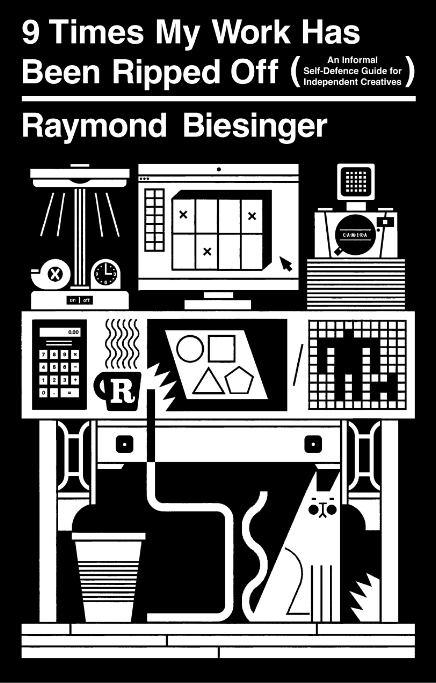
Today's respondent is Raymond Biesinger. He is a Montréal-based illustrator, author, and artist whose work has been published on almost all the continents for the last 20 years. My books include the Canada-famous bestselling 305 Lost Buildings of Canada and the new 9 Times My Work Has Been Ripped Off: An Informal Self-Defence Guide for Independent Creatives published by Drawn + Quarterly.
Tell us about the first job you ever did for money.
When I was in grade five my mom dropped me off in a clearing in a forest where a group of children were being led by some men to chip mortar off old bricks. This, I guess, was in the name of architectural salvage. It's also child labour, and not the "cute" kind. So begins my labour activism?
Is your current work related to what you studied in school? If so, how? Or, how not?
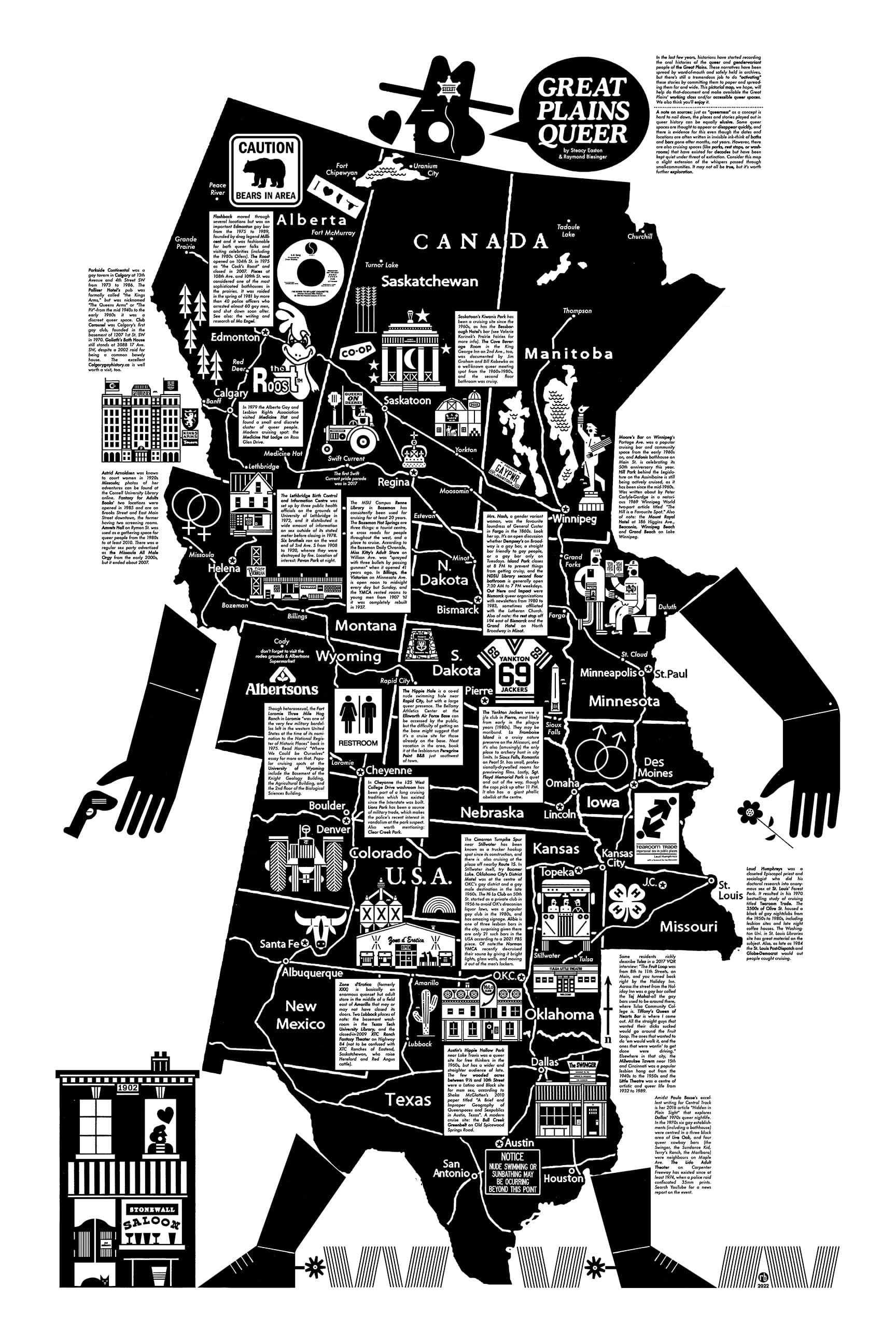
My first love was history, and that's what I studied in university. Early on, the research skills came in endlessly handy. Lately, though, I've worked with historical subjects, visually, and it's been fantastic. Historians aren't well-funded in Canada, and there are obvious historical topics that haven't been explored or documented in a serious way.
What cultural touchpoint—music, art, literature, etc.—has informed your practice the most? How?
Books. Text. I get jealous when I see quality work by other living artists and designers. I don't like feeling that way, so I keep my eyes on my friends' work, the past, and words. For some reason I don't get jealous when the person who's making great work is someone I routinely talk to.
What is the most rewarding aspect of working in your industry? The most challenging?
Constantly approaching new subject matter. I love trying to be an "instant expert" and finding the visual vocabulary of a new situation. Challenging? The financial end of things. Having dependents, increasing expenses, and a body that can't work like it used to. I can't do harsh deadlines any more.
Has AI impacted your work? How?
I think it has, but not as much as you'd think. AI is the newest, loudest, thing making creative lives harder, but it's minor compared to the affordability crisis and the collapse of mass media. I very rarely see it replacing paid illustration gigs. I still despise it, of course—if it could put us out of business, it would.
What advice would you give to someone starting a career in your industry?
Don't wait for an agent. You need to be as good at the business end of things as you are at the creative end of things.
What are you obsessed with that has little-to-nothing to do with "work"?
Metal detecting. I picked up a late 1970s Texas-made Garrett Groundhog at a garage sale for $15 two summers ago, and now I'm a creep for beeps. The winter is killing me.